
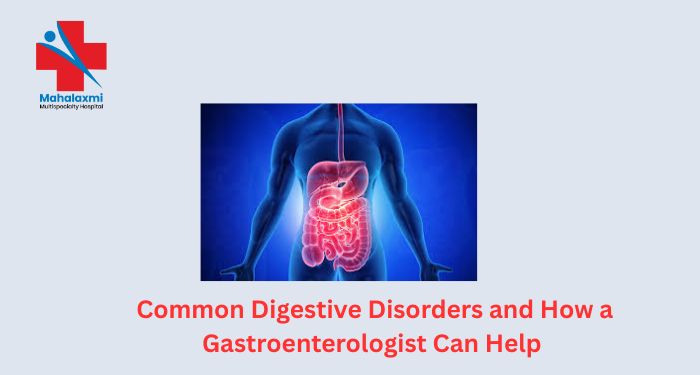
Digestive health is central to overall well-being. From mild discomforts like occasional bloating to more serious conditions such as acid reflux or chronic constipation, digestive disorders can significantly impact daily life. Consulting an experienced gastroenterologist in Daund can help identify, treat, and prevent these problems effectively. In this blog, we explore the most common digestive disorders, their symptoms, causes, and how a gastroenterologist can provide expert guidance.
1. Acid Reflux and Gastroesophageal Reflux Disease (GERD)
Acid reflux occurs when stomach acid flows back into the esophagus, causing irritation. When it happens frequently, it is classified as GERD.
Symptoms:
-
Heartburn or burning sensation in the chest
-
Sour taste in the mouth
-
Difficulty swallowing
-
Chest discomfort after meals
How a Gastroenterologist Helps:
A gastroenterologist in Daund can diagnose GERD using endoscopy, prescribe medications to reduce acid production, and suggest lifestyle changes such as dietary modifications, weight management, and meal timing. In severe cases, advanced procedures may be recommended to prevent complications like esophageal ulcers.
2. Irritable Bowel Syndrome (IBS)
IBS is a functional gastrointestinal disorder affecting the large intestine. It can cause chronic discomfort but does not lead to permanent damage.
Symptoms:
-
Abdominal pain or cramping
-
Bloating and gas
-
Diarrhea, constipation, or alternating bowel habits
How a Gastroenterologist Helps:
An expert gastroenterologist in Daund can conduct tests to rule out other serious conditions, recommend a tailored diet plan, prescribe medications to manage bowel movements, and suggest stress-reducing techniques, as stress often exacerbates IBS symptoms.
3. Constipation
Constipation is one of the most common digestive complaints, characterized by infrequent or difficult bowel movements.
Causes:
-
Low fiber diet
-
Dehydration
-
Lack of physical activity
-
Certain medications
How a Gastroenterologist Helps:
A gastroenterologist in Daund evaluates the root cause of constipation, rules out obstruction or structural issues, and may prescribe fiber supplements, laxatives, or other medications. They also provide guidance on dietary and lifestyle modifications for long-term relief.
4. Diarrhea and Chronic Diarrhea
Diarrhea is the frequent passage of loose or watery stools. Chronic diarrhea may indicate underlying disorders such as infections, malabsorption syndromes, or inflammatory bowel disease.
Symptoms:
-
Loose or watery stools
-
Abdominal cramps
-
Urgency to defecate
-
Dehydration
How a Gastroenterologist Helps:
A gastroenterologist in Daund can perform stool tests, blood tests, and imaging to identify the cause. Treatment may involve hydration therapy, dietary adjustments, and medications. Early intervention prevents complications such as severe dehydration or nutrient deficiencies.
5. Gastritis and Peptic Ulcers
Gastritis is the inflammation of the stomach lining, often caused by infection, long-term NSAID use, or excessive alcohol consumption. Untreated gastritis can lead to peptic ulcers.
Symptoms:
-
Upper abdominal pain or discomfort
-
Nausea and vomiting
-
Loss of appetite
-
Indigestion or bloating
How a Gastroenterologist Helps:
A gastroenterologist in Daund can diagnose gastritis using endoscopy or tests for H. pylori infection. Treatment includes medications to reduce acid, antibiotics if infection is present, and lifestyle advice to prevent recurrence.
6. Gallstones and Gallbladder Disorders
Gallstones are solid particles that form in the gallbladder and can block bile flow, causing pain and digestive disturbances.
Symptoms:
-
Sudden, intense pain in the upper abdomen
-
Nausea or vomiting
-
Indigestion after fatty meals
-
Jaundice in severe cases
How a Gastroenterologist Helps:
A gastroenterologist in Daund can recommend imaging tests like ultrasound to confirm gallstones and advise on treatment options, including dietary adjustments, medications, or surgical removal of the gallbladder if necessary.
7. Inflammatory Bowel Disease (IBD)
IBD includes chronic conditions such as Crohn’s disease and ulcerative colitis, causing inflammation in the digestive tract.
Symptoms:
-
Persistent diarrhea
-
Abdominal pain and cramping
-
Fatigue and weight loss
-
Blood in stool
How a Gastroenterologist Helps:
A gastroenterologist in Daund performs colonoscopy, blood tests, and imaging to confirm diagnosis. Treatment may include anti-inflammatory medications, immunosuppressants, biologics, and nutritional support. Regular monitoring helps prevent flare-ups and complications.
When to Consult a Gastroenterologist
Seek medical attention if you experience:
-
Persistent abdominal pain or bloating
-
Frequent heartburn or acid reflux
-
Blood in stool or unexplained weight loss
-
Chronic diarrhea or constipation
-
Difficulty swallowing or nausea
Early intervention by a gastroenterologist in Daund ensures proper diagnosis, effective treatment, and prevention of complications.
Conclusion
Digestive disorders are common but manageable with timely care and guidance. Consulting a skilled gastroenterologist in Daund helps identify the cause of symptoms, provides effective treatment, and ensures long-term digestive health. By combining medical care with lifestyle and dietary changes, patients can enjoy improved quality of life and reduced risk of complications.