
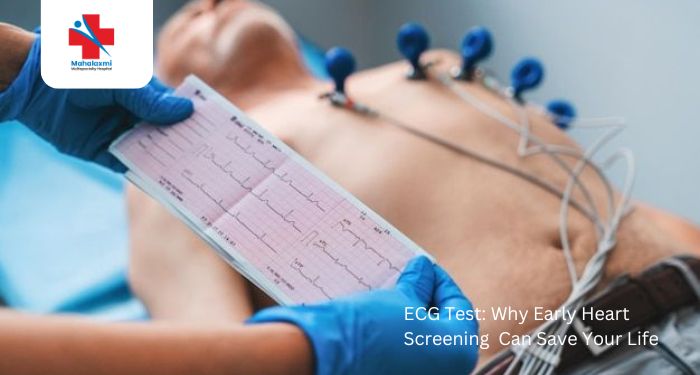
Heart diseases are increasing rapidly due to stress, unhealthy lifestyle, and rising cases of hypertension and diabetes. One of the simplest yet most powerful diagnostic tools in cardiology is the ECG test (Electrocardiogram). It is quick, painless, and highly effective in detecting heart-related problems at an early stage.
If you experience chest pain, irregular heartbeat, breathlessness, or fatigue, consulting a cardiologist in Daund for an ECG test can help prevent serious complications.
What Is an ECG Test?
An ECG (Electrocardiogram) is a medical test that records the electrical activity of the heart. Every heartbeat is triggered by electrical signals that travel through the heart muscle. An ECG machine captures these signals and displays them as wave patterns.
These wave patterns help doctors detect:
-
Irregular heartbeat (arrhythmia)
-
Heart attack (past or present)
-
Blocked arteries
-
Heart enlargement
-
Electrolyte imbalance
-
Effects of high blood pressure
It is one of the most commonly recommended heart screening tests worldwide.
Why Is ECG Important?
Heart problems do not always show obvious symptoms. Many patients ignore early warning signs like mild chest discomfort or tiredness.
An ECG test helps in:
-
Early detection of heart disease
-
Monitoring heart rhythm
-
Evaluating chest pain
-
Assessing damage after a heart attack
-
Checking effectiveness of heart medications
Visiting a cardiologist in Daund for routine heart screening ensures timely diagnosis and treatment.
When Should You Get an ECG Test?
You should consider an ECG if you experience:
-
Chest pain or tightness
-
Shortness of breath
-
Palpitations
-
Dizziness or fainting
-
High blood pressure
-
Diabetes
-
Strong family history of heart disease
Even if you feel healthy, preventive heart checkups after the age of 30 are recommended.
How Is an ECG Test Performed?
The ECG procedure is simple and painless.
-
Small electrodes are attached to your chest, arms, and legs.
-
The machine records electrical activity of the heart.
-
The test usually takes 5–10 minutes.
There is no pain, no injections, and no recovery time required. You can resume normal activities immediately after the test.
Types of ECG Tests
A cardiologist in Daund may recommend different types of ECG depending on symptoms:
1. Resting ECG
Performed while lying down. Most common type.
2. Stress ECG (TMT)
Performed during treadmill exercise to evaluate heart under stress.
3. Holter Monitoring
24-hour portable ECG monitoring for irregular heart rhythm.
Each test serves a specific purpose in diagnosing heart conditions.
What Can an ECG Detect?
ECG is helpful in diagnosing:
Arrhythmias
Irregular or abnormal heartbeats.
Heart Attack
Current or past heart muscle damage.
Coronary Artery Disease
Reduced blood flow to heart.
Heart Enlargement
Due to prolonged hypertension.
Electrolyte Imbalance
Abnormal potassium or sodium levels.
Early diagnosis by a cardiologist in Daund can prevent serious complications.
ECG and Chest Pain: Why Immediate Action Matters
Chest pain should never be ignored. While it may sometimes be acidity, it can also indicate a serious heart condition.
An ECG helps determine whether chest pain is heart-related. Early evaluation reduces the risk of heart attack and sudden cardiac arrest.
If chest discomfort lasts more than a few minutes or spreads to the arm or jaw, seek immediate medical attention.ECG as a Preventive Tool
Preventive cardiology is becoming increasingly important. Many heart conditions develop silently over time.
Routine ECG testing can:
-
Detect early abnormalities
-
Identify high-risk patients
-
Guide lifestyle modifications
-
Prevent emergency hospitalization
Regular follow-up with a cardiologist in Daund helps manage heart health effectively.
Who Is at Higher Risk for Heart Disease?
Certain individuals have higher risk:
-
Smokers
-
People with obesity
-
Diabetic patients
-
Hypertension patients
-
Sedentary lifestyle
-
Family history of heart disease
-
High cholesterol levels
If you fall into any of these categories, regular heart screening is strongly recommended.
ECG vs 2D Echo: What’s the Difference?
Many patients confuse ECG with 2D Echo.
-
ECG records electrical activity.
-
2D Echo shows heart structure and pumping function using ultrasound.
Both tests complement each other in diagnosing heart problems.
Your cardiologist in Daund will advise the appropriate test based on symptoms.
Is ECG Safe?
Yes, ECG is completely safe and non-invasive. It does not use radiation. It only records electrical signals naturally produced by your heart.
It is suitable for:
-
Adults
-
Elderly patients
-
Pregnant women
-
Children (if required)
There are no side effects.
Importance of Early Consultation
Many people delay visiting a doctor due to fear or negligence. Unfortunately, heart disease can progress silently.
Timely ECG testing and heart evaluation can:
-
Prevent major heart attack
-
Avoid expensive emergency treatment
-
Improve long-term survival
-
Provide peace of mind
Consulting a cardiologist in Daund at the right time can truly be life-saving.
Lifestyle Tips for Healthy Heart
While ECG helps in diagnosis, maintaining heart health requires lifestyle changes:
-
Regular exercise (30 minutes daily)
-
Balanced diet low in salt and saturated fats
-
Weight management
-
Stress control
-
Quit smoking
-
Limit alcohol intake
-
Regular health checkups
Prevention is always better than cure.
Final Thoughts
The ECG test is one of the simplest yet most powerful tools in modern cardiology. It plays a crucial role in early detection, monitoring, and prevention of heart diseases.
If you experience chest pain, palpitations, or have risk factors like hypertension or diabetes, do not delay evaluation. A routine ECG performed by a qualified cardiologist in Daund can detect problems early and protect your heart health.
Your heart works non-stop for you. Regular screening ensures it keeps working efficiently for years to come.
FAQs
1. Is ECG painful?
No, ECG is completely painless and non-invasive.
2. How long does ECG take?
It usually takes 5–10 minutes.
3. Can ECG detect heart blockage?
It can indicate signs of blockage, but angiography may be needed for confirmation.
4. Do I need to fast before ECG?
No fasting is required for a routine ECG.
5. How often should I get an ECG?
If you are above 30 or have risk factors, annual screening is advisable.
6. Is ECG enough to detect all heart problems?
It is a screening tool. Additional tests like 2D Echo or TMT may be required.
7. When should I consult a cardiologist in Daund?
If you have chest pain, breathlessness, irregular heartbeat, or high BP.